

Growing Your Own Vegetables on Pico Island| A Sustainable Gardening Guide
Understanding Pico’s Climate and Soil
Pico’s maritime climate is mild and humid, with temperatures between 12°C and 25°C and abundant rainfall from autumn to spring. Combined with nutrient-rich volcanic soil, this makes for ideal vegetable-growing conditions. However, strong winds and humidity can challenge crops — traditional currais (stone walls) offer excellent wind protection and create warm microclimates.
Best Vegetables to Grow on Pico Island
- Leafy greens: Kale, cabbage, spinach, lettuce, and Swiss chard
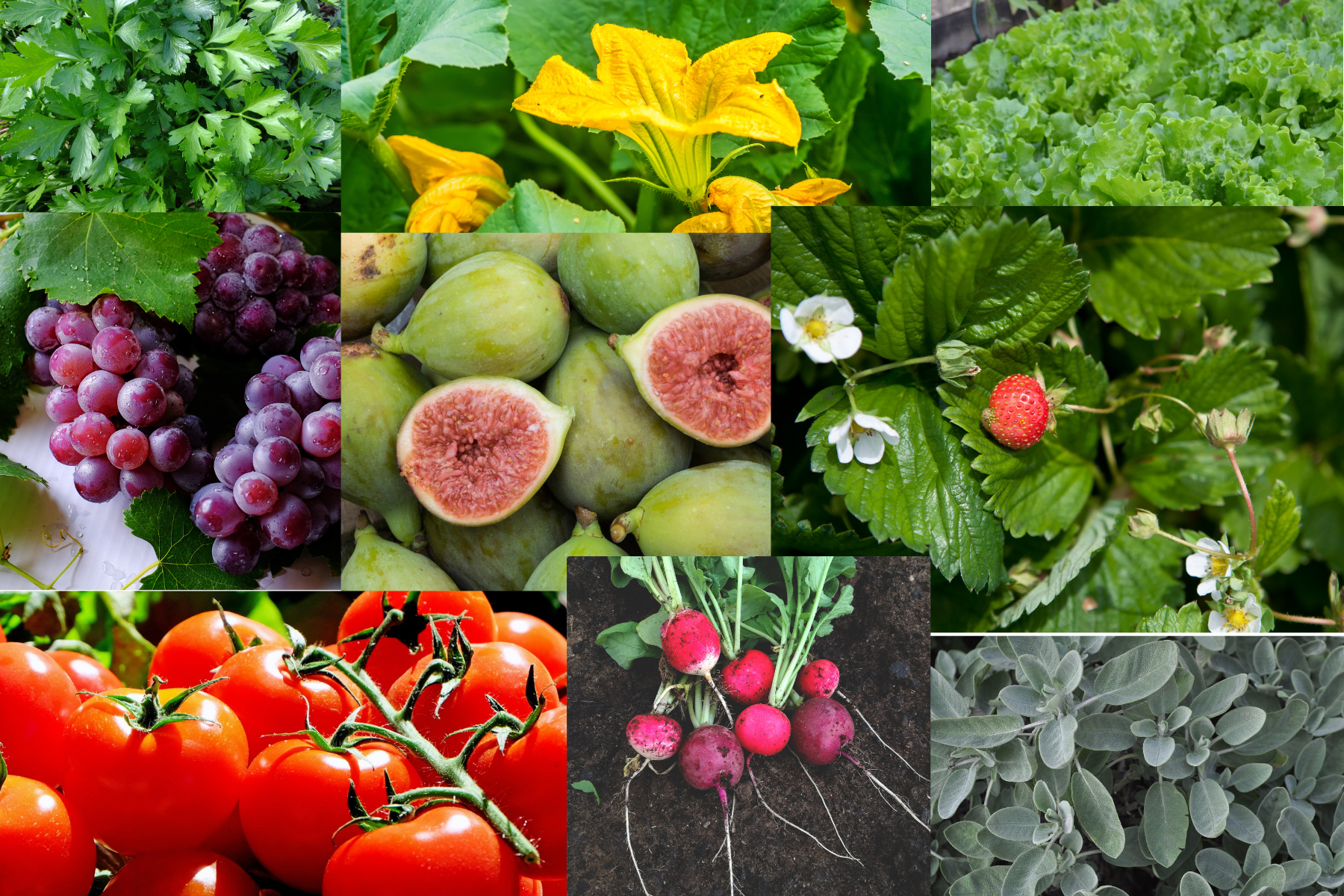
- Root vegetables: Carrots, beets, turnips, radishes, and potatoes
- Herbs: Parsley, mint, thyme, oregano, and coriander
- Legumes: Broad beans, peas, and green beans
- Warm-weather crops: Tomatoes, courgettes, and peppers (April–September)
Pro tip: Use raised beds for better drainage and rotate crops each season to maintain healthy soil.
Overcoming Pico’s Gardening Challenges
- Wind: Protect gardens with stone walls, bamboo screens, or hedges.
- Humidity: Water early to avoid fungus and allow airflow between plants.
- Soil care: Add compost and mulch regularly.
- Pests: Use natural deterrents like crushed eggshells or coffee grounds for slugs.
Seasonal Planting Calendar for Pico Island
| Month | What to Sow/Plant | What to Harvest |
|---|---|---|
| January | Kale, cabbage, carrots, onions, garlic | Kale, leeks, turnips |
| February | Lettuce, peas, broad beans | Broccoli, cabbage |
| March | Tomatoes (indoors), peppers, potatoes, beans | Early greens |
| April | Plant out tomatoes, beans, courgettes | Lettuce, radishes |
| May | Pumpkins, corn, cucumbers | Spinach, beets |
| June | Basil, parsley, beans | Potatoes, onions |
| July | Lettuce, carrots, radish (succession) | Tomatoes, courgettes |
| August | Kale, leeks, cabbage | Beans, peppers |
| September | Spinach, broccoli, garlic | Tomatoes, pumpkins |
| October | Broad beans, peas, turnips | Carrots, cabbage |
| November | Kale, onions, herbs | Leeks, broccoli |
| December | Compost and rest soil; sow winter greens | Kale, herbs |
Tip: Coastal areas like Madalena or São Mateus allow earlier planting than higher elevations.
Sustainable Gardening Practices
- Compost organic waste to enrich soil.
- Collect rainwater for irrigation.
- Avoid chemical fertilizers — use local compost or manure.
- Save seeds from strong plants for next season.
- Share produce and seedlings with neighbors for a sustainable community.
Harvesting the Rewards
Harvesting vegetables from Pico’s volcanic soil is more than a meal — it’s a connection to the island’s landscape, community and culture. By cultivating your own garden, you nourish both body and land, continuing a timeless tradition of resilience and self-sufficiency. Sometimes you are so successful and have more harvest than you need and can process…
Learn, share and trade
In the FB Group O meu jardim no Pico you can find other enthusiastic gardeners who are more than willing to share their knowledge, tips on how to grow and preserve your harvest. Ass well you can trade seedlings and vegetables.


